Why You Should Never Rush Your Kitchen Design
One of our designers recently found herself having a conversation that perfectly summed up why we approach kitchen design the way we do.
We were sitting with a client in the early stages of designing their new kitchen. We’d already discussed layouts, storage, appliances and were beginning to look at some of the finishing touches.
That’s when they paused and said:
"We've been saving for a while now. We just want it to be right."
It's a sentence that stays with you.
A new kitchen isn't an impulse purchase. For most homeowners, it’s something they’ve thought about for years. They’ve saved, researched, collected inspiration and imagined how the space could transform the way they live.
When you’ve waited that long, the last thing you want is to feel rushed into making decisions.
Great kitchen design starts with understanding people
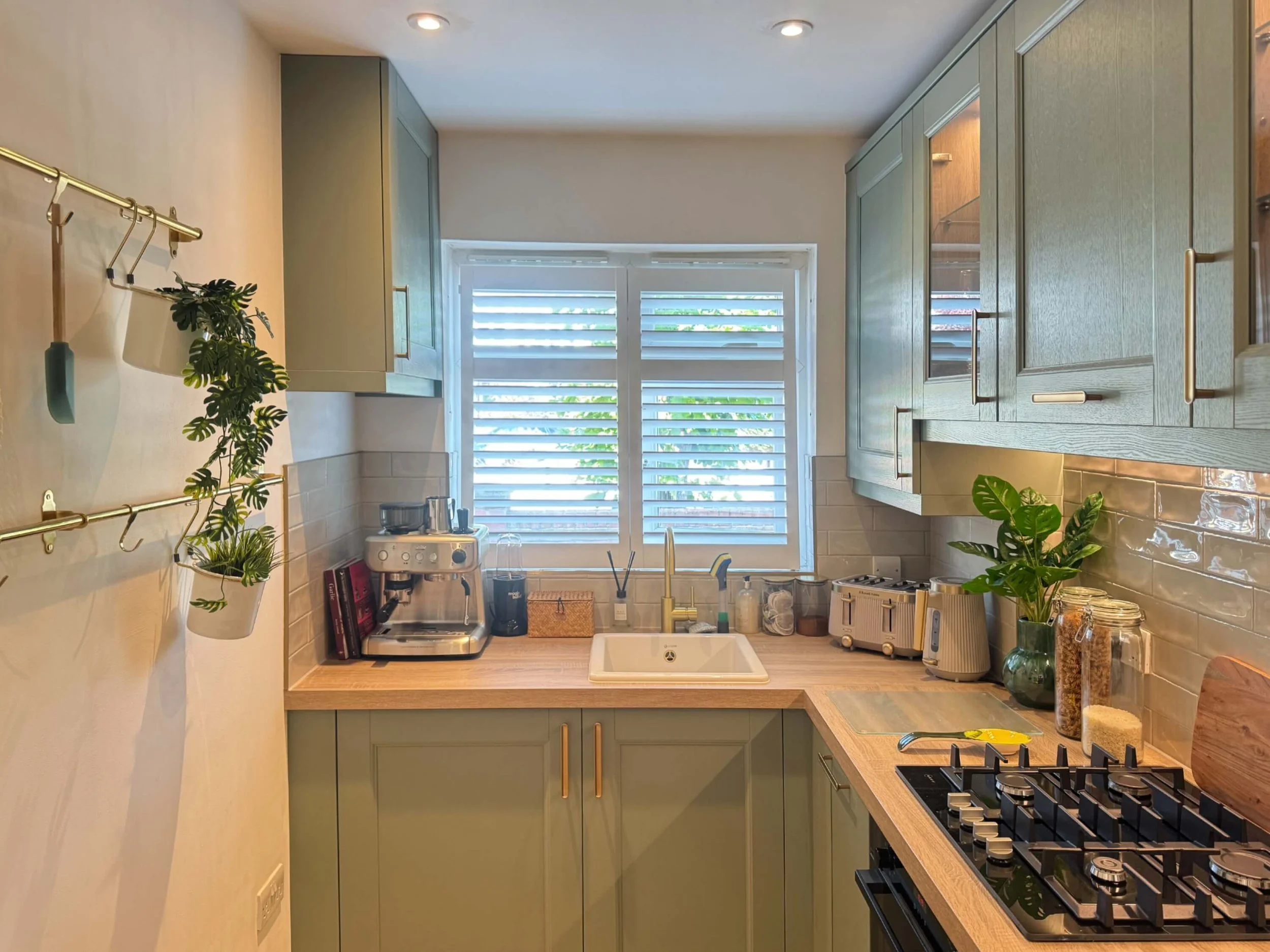
It's easy to think designing a kitchen is about choosing colours, doors and worktops.
In reality, that's often the easy part.
The real job is understanding the people who’ll be using it every day.
Do you love cooking or mainly need a practical family space?
Do you entertain regularly?
Are young children constantly under your feet?
Will the kitchen still work in ten years’ time?
These are the conversations that shape a design far more than whether you choose brass or black handles.
Every family lives differently, so every kitchen should too.
The best ideas rarely happen in the first meeting
One thing we’ve learnt over the years is that the first design is rarely the final design.
That's exactly how it should be.
As clients begin to see their kitchen take shape, they start asking different questions.
"What if we moved the island?"
"Would a breakfast cupboard work better here?"
"Actually, maybe we'd use a steam oven more than a second conventional oven."
These conversations happen naturally because clients become more confident as the design develops.
Giving yourself time allows those ideas to emerge before anything is ordered.
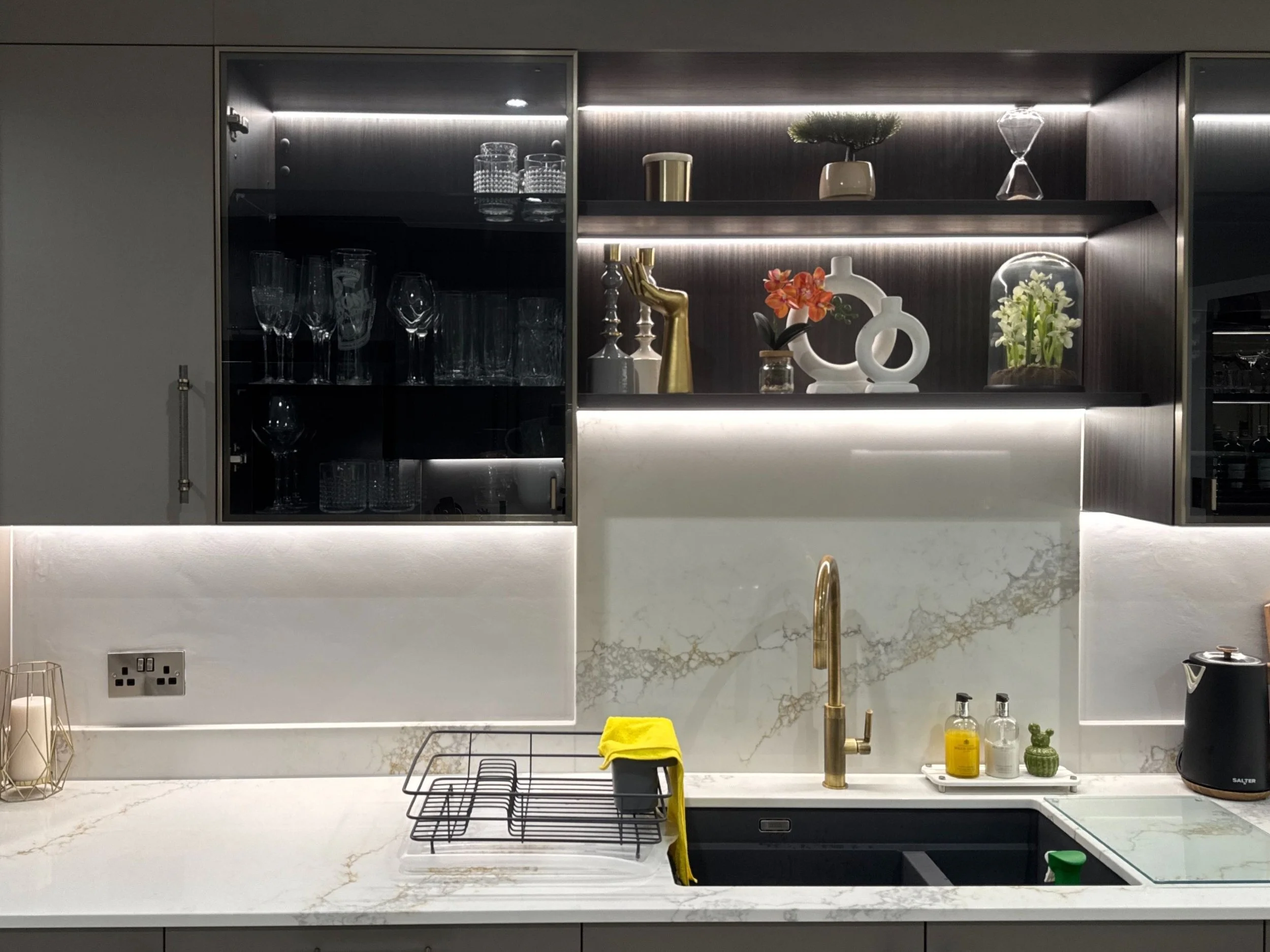
Small details make a big difference
Some of the biggest improvements to a kitchen are often the details that aren’t obvious at first.
The height of an oven.
Where the bins are positioned.
Whether drawers work better than cupboards.
How wide a walkway should be around an island.
Where you'll naturally put your shopping when you come through the door.
None of these decisions are particularly exciting on their own.
Together, they're what make a kitchen feel effortless to live with.
When the design stage is rushed, these practical details can easily be overlooked.
Trust takes time too
Designing a kitchen is a partnership.
You’re inviting someone to help shape one of the most important rooms in your home and guide you through a significant investment.
That relationship shouldn’t feel transactional.
The more time we spend getting to know our clients, the better we understand what matters to them.
Some are focused on entertaining.
Others want a calm space to unwind after work.
Some simply want enough storage to keep the worktops clear.
There isn't a right or wrong answer, only the right solution for each individual client.
A kitchen you'll enjoy for years
Unlike decorating a room or buying a new sofa, changing your mind after a kitchen has been installed isn't straightforward.
That's why we encourage clients to slow down.
Sleep on decisions.
Ask questions.
Challenge ideas.
Look at samples in different lighting.
Visit the showroom more than once if you'd like to.
Taking a little longer during the design stage can save years of wishing you'd done something differently.